Spotting Real Experts Online: A Guide to Critical Thinking
The internet is awash in advice. From DIY home repairs to complex financial strategies, a quick search can connect you with countless self-proclaimed experts eager to share their knowledge. But in this age of information overload, how can you distinguish true expertise from well-packaged misinformation? Blindly trusting online sources can lead to costly mistakes, wasted time, or even dangerous situations.
Critical thinking is more important than ever. This article equips you with actionable tools to navigate the digital landscape and identify credible expertise. By applying these strategies, you can confidently filter through the noise, make informed decisions, and protect yourself from the pitfalls of unqualified advice. We’ve spent years analyzing information dissemination and source credibility, and we’re here to help you become a savvy consumer of online knowledge.
The Rise of the “Expert” and Why It Matters
The internet has ushered in an era of unprecedented access to information, a seemingly endless ocean of knowledge at our fingertips. This democratization of information, while empowering in many ways, has also given rise to a peculiar phenomenon: the proliferation of self-proclaimed “experts.” Social media platforms, driven by algorithms designed to maximize engagement, have amplified the voices of individuals, regardless of their actual qualifications or expertise. Influencer culture further fuels this trend, where popularity and perceived authenticity often outweigh genuine knowledge. The ease with which content can be created and disseminated allows virtually anyone to position themselves as an authority on a particular subject.
The consequences of this rise of digital expertise can be significant. In areas such as health, finance, and personal development, following unqualified advice can lead to detrimental outcomes. Misinformation spreads rapidly through online echo chambers, where individuals are primarily exposed to information that confirms their existing beliefs, regardless of its accuracy. Separating credible sources from unsubstantiated claims can feel like an impossible task, leaving individuals vulnerable to manipulation and potentially harmful guidance.
The Allure of Instant Answers
In today’s fast-paced world, people crave instant gratification. This desire for immediate answers, coupled with inherent cognitive biases, makes individuals particularly susceptible to misinformation. Simplified narratives and quick fixes offer a sense of certainty in a complex world, even when these solutions are inaccurate or incomplete. Confirmation bias, the tendency to seek out information that confirms pre-existing beliefs, further exacerbates the problem. People are naturally drawn to easy answers that validate their perspectives, even if those answers are based on flawed reasoning or outright falsehoods. This creates a fertile ground for online “experts” offering simplistic solutions, regardless of their actual validity.
Red Flags: Spotting the Pseudo-Expert
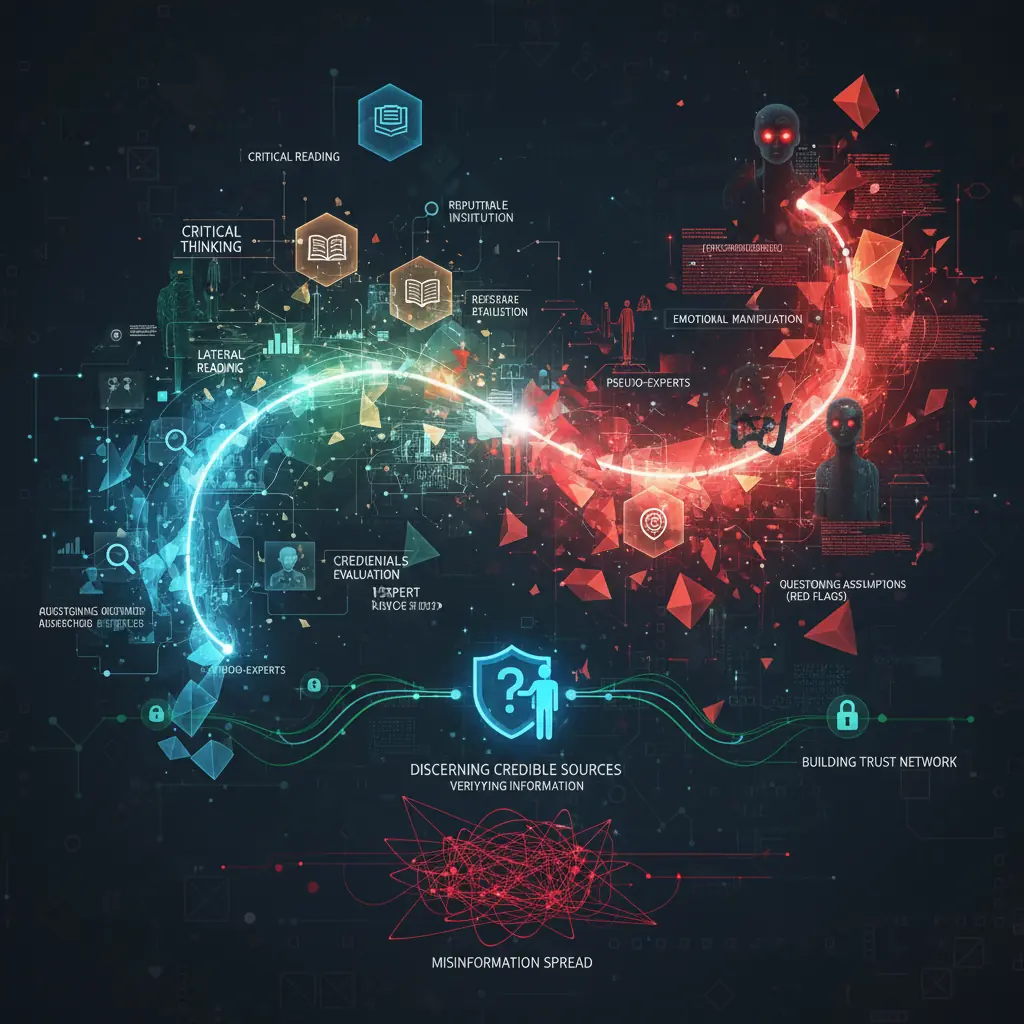
Navigating the information age requires a sharp eye, especially when discerning genuine expertise from persuasive charades. Identifying red flags isn’t about cynicism; it’s about self-preservation in a world brimming with information, some of which is deliberately misleading. Learning to spot these warning signs—overconfidence, emotional manipulation, and hidden agendas—helps you protect yourself from bad advice and potentially harmful decisions. Think of it as equipping yourself with a critical thinking toolkit, ready to dissect claims and evaluate credibility.
The Confidence Conundrum: When Loudest Doesn’t Mean Best
Real expertise often whispers, while pseudo-expertise shouts. Genuine experts understand the nuances and complexities of their field. They acknowledge limitations and are comfortable saying, “I don’t know.” The pseudo-expert, however, thrives on unwavering confidence, often masking a lack of deep knowledge. They present opinions as facts, rarely concede uncertainty, and may dismiss alternative viewpoints with arrogance. Remember that time your uncle confidently declared a particular stock a guaranteed winner, only for it to plummet? Loud confidence isn’t a substitute for competence.
Emotional Appeals vs. Evidence-Based Reasoning
Be wary of those who bypass logic and head straight for your heartstrings. Pseudo-experts frequently employ emotional appeals—fear, hope, guilt—to sway your opinion. They might paint vivid, emotionally charged scenarios to bypass your rational thinking. Legitimate experts, on the other hand, rely on evidence-based reasoning, presenting data, studies, and logical arguments to support their claims. They aim to inform, not manipulate. If someone’s trying to make youfeel* something strongly, rather thanthink* critically, proceed with extreme caution.
Transparency Deficit: What Are They Hiding?
Transparency is the bedrock of trust. A genuine expert is upfront about their qualifications, potential conflicts of interest, and the limitations of their knowledge. A pseudo-expert, however, often operates in the shadows. They might obscure their funding sources, downplay potential biases, or avoid disclosing affiliations that could compromise their objectivity. Why does this matter? Imagine an “expert” recommending a certain diet pill without revealing they’re a paid spokesperson for the company selling it. Always dig deeper. Understand the motivations behind the message, and don’t hesitate to question what’s being left unsaid. Scrutinize their work, check for peer reviews, and always consider the source.

Cultivating Critical Thinking: Your Best Defense
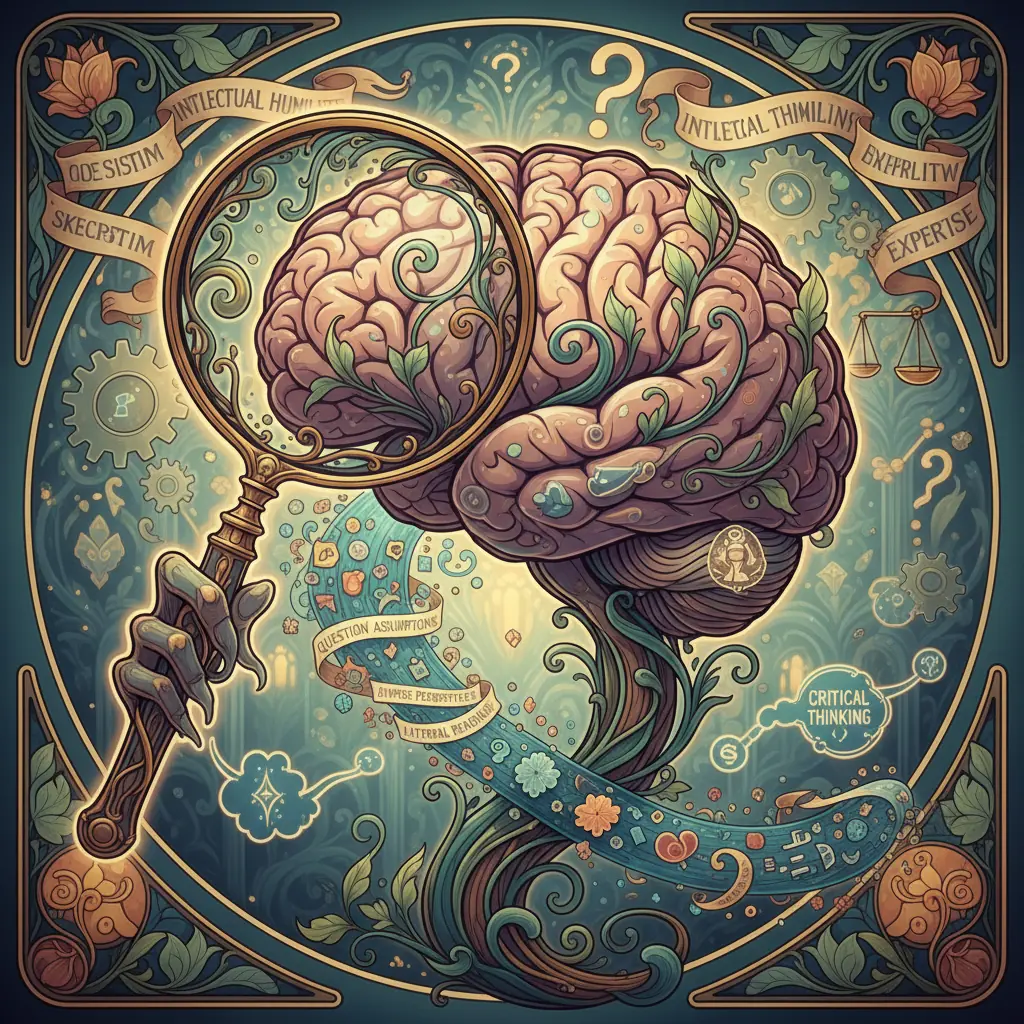
In today’s information-saturated world, the ability to think critically is not just a desirable skill, it’s an absolute necessity. It serves as the cornerstone for evaluating information, recognizing hidden biases, and making well-informed decisions about who and what to trust. Without robust critical thinking skills, one risks being easily swayed by misinformation, propaganda, or outright scams. Cultivating this ability empowers individuals to navigate the complexities of modern life with greater confidence and discernment. Developing critical thinking is an active process, demanding vigilance and a willingness to challenge pre-conceived notions. It’s about approaching information with a healthy dose of skepticism, and refusing to accept anything at face value. This involves questioning the source, considering the potential for bias, and examining the evidence presented. By honing these skills, individuals become more resilient to manipulation and better equipped to form their own independent judgments. Learning to think critically is like building a muscle; the more it is exercised, the stronger and more effective it becomes, ultimately serving as the best defense against deception and misinformation.
Questioning Assumptions: Digging Beneath the Surface
Assumptions are those things we take for granted, the beliefs we hold without conscious thought or examination. They often operate in the background, subtly influencing our perceptions and decisions. Identifying and challenging these assumptions is crucial for clear thinking. Cognitive biases, such as confirmation bias (seeking out information that confirms our existing beliefs), can further distort our thinking. Recognizing these biases is the first step toward overcoming them. Practice intellectual honesty by acknowledging the limits of your own knowledge and being open to changing your mind in the face of new evidence. Regularly ask yourself “Why do I believe this?” and “What evidence supports this belief?”.
Seeking Diverse Perspectives: Breaking Out of the Echo Chamber
The world looks different depending on where you’re standing. Exposing yourself to a variety of viewpoints is essential for challenging your own assumptions and expanding your understanding. Confirmation bias often leads us to seek out information that reinforces our existing beliefs, creating “echo chambers” where our views are never challenged. Actively seek out sources that offer different perspectives, even if they are uncomfortable or challenging. Cultivate intellectual curiosity and be open to hearing opinions that differ from your own. This doesn’t mean you have to agree with everything you hear, but it does mean being willing to listen and consider alternative viewpoints.
Lateral Reading: Verifying Information Across Multiple Sources
Instead of deeply reading the initial source, lateral reading means opening multiple tabs and quickly evaluating other sources to get a sense of the trustworthiness of the claim and the original source. Check what other sources say about the website or author. Are they reputable? Are they biased? Fact-checking websites can be valuable resources for verifying claims and identifying misinformation. Look for independent sources of information that are not affiliated with any particular organization or agenda. Learn to identify the signs of bias, such as emotionally charged language, selective reporting, and the omission of important information to get a more complete and objective view.
Beyond Credentials: Digging Deeper into Expertise
Credentials, like degrees and certifications, offer a glimpse into someone’s background, but they don’t guarantee genuine expertise. True expertise runs much deeper. It involves demonstrating a profound understanding of a chosen field, an unwavering dedication to evidence-based reasoning, and the intellectual honesty to acknowledge the boundaries of one’s knowledge. It’s about more than just possessing information; it’s about how that information is applied, analyzed, and, perhaps most importantly, how its limitations are understood.
Don’t be swayed solely by a list of impressive qualifications. Dig deeper. Explore their work, scrutinize their arguments, and assess their capacity for critical thinking. Look for a commitment to staying current with the latest developments, a willingness to adapt their perspectives in light of new evidence, and a clear articulation of the nuances and complexities within their field. The aim is to discern whether their competence extends beyond surface-level knowledge to the core of demonstrable and applicable skill.
The Proof is in the Process: Evaluating Their Reasoning
Evaluating an expert’s reasoning begins with understanding their thought process. What methodology do they employ? How do they approach problem-solving? A superficial understanding might suffice for casual conversation, but genuine expertise reveals itself through rigorous critical analysis. Pay close attention to the evidence they present, scrutinizing its validity and relevance. Identify any underlying assumptions they make and assess whether these assumptions are justified. Finally, examine the logical consistency of their arguments. Do their conclusions flow naturally from the evidence they provide, or are there gaps in their reasoning? A truly knowledgeable individual welcomes scrutiny and can articulate their thought process clearly and concisely.
Acknowledging Limitations: A Sign of True Expertise
Intellectual humility is a hallmark of genuine expertise. A true expert understands the limits of their knowledge and readily admits when they don’t know something. This transparency isn’t a weakness; it’s a strength. It demonstrates self-awareness and a commitment to intellectual honesty. Consider historical figures who, despite their vast knowledge, openly acknowledged the gaps in their understanding. This willingness to say “I don’t know” fosters trust and encourages a more nuanced understanding of the subject matter. It signals a commitment to ongoing learning and a recognition that expertise is a journey, not a destination. Someone secure in their knowledge is free to admit what they don’t know without feeling threatened.
Building Your Trust Network: Reliable Sources and Communities
Cultivating a robust trust network is paramount in today’s complex information ecosystem. It’s about more than just finding information; it’s about building relationships that foster ongoing support and accountability, ensuring you’re consistently engaging with credible data.
Identifying Reputable Institutions: A Foundation of Trust
Reputable institutions serve as cornerstones of trustworthy information. Think of established universities churning out peer-reviewed academic research, or government agencies dedicated to providing verified information. These entities often have rigorous standards for accuracy and transparency. To gauge their credibility, look for a track record of unbiased reporting, clearly defined methodologies, and publicly available data. Don’t hesitate to delve into their funding sources and affiliations – transparency is key.
Engaging with Expert Communities: Learning and Growing Together
Expert communities provide a valuable avenue for knowledge sharing and intellectual growth. Online forums, professional organizations, and collaborative research groups can offer diverse perspectives and insights you might not find elsewhere. When engaging with these communities, prioritize respectful debate and a willingness to learn from others. Look for communities that value evidence-based arguments and encourage constructive criticism. Remember that even within expert groups, healthy skepticism is crucial. Seek out diverse viewpoints and be prepared to challenge your own assumptions.
Conclusion
In conclusion, identifying legitimate expertise is an ongoing process. It demands a blend of critical thinking, thorough investigation, and the courage to question established ideas. The ability to assess the credentials, experience, and potential biases of self-proclaimed authorities is paramount. One should remember that true competence is often reflected in a willingness to acknowledge limitations and embrace continuous learning.
Navigating the intricate world of information requires a proactive approach. This involves employing various strategies, from cross-referencing information to scrutinizing sources. Do not hesitate to challenge assertions and seek diverse perspectives. By equipping oneself with these tools and methods, one can confidently traverse the complexities of the modern information age.
Ultimately, the power to differentiate genuine expertise rests within each individual. Embrace the ability to analyze, evaluate, and learn continuously. Cultivate informed opinions and confidently make decisions. The world is complex, but with the right mindset, it is possible to navigate it successfully.